


ph945 | Exploring the Digital Universe: The Allure of Simulation Games
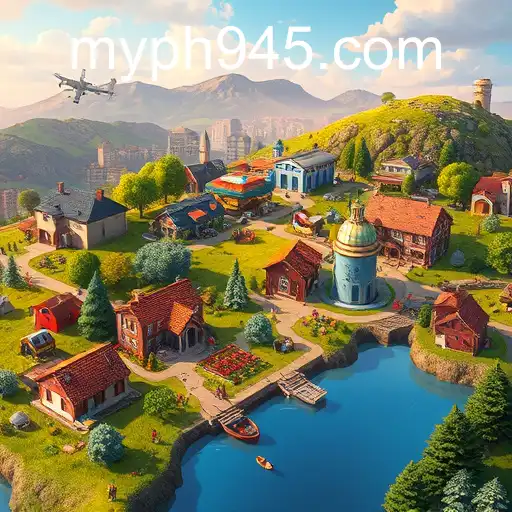
In the vast and ever-evolving landscape of digital entertainment, simulation games occupy a unique and cherished niche. These games offer players a chance to immerse themselves in highly detailed and interactive environments that replicate real-world or imagined scenarios. From city-building to life management, simulation games provide a creative outlet, allowing players to experiment with different scenarios and outcomes. As the gaming industry continues to expand, the popularity of simulation games remains robust, with new and innovative titles regularly capturing the imaginations of gamers worldwide.
One of the most appealing aspects of simulation games is their ability to mimic real-life processes in a detailed and nuanced manner. These games often require the player to manage resources, make strategic decisions, and anticipate future needs or challenges. Whether managing a bustling metropolis in "SimCity," building a historical empire in "Civilization," or exploring the complexities of life in "The Sims," players are offered a sandbox where they can experiment with their strategic and creative skills.
Underlying the charm of these games is an educational element. Many simulation games subtly teach players about real-world systems and interactions. For instance, games focusing on urban planning or ecological management can provide insights into socio-economic principles, environmental impact, and the complexity of human society. Similarly, business simulation games can enhance understanding of economic concepts and management strategies.
Moreover, the personalization offered by simulation games allows players to express their individuality and creativity. Customization options, detailed character development, and open-ended gameplay are features that attract a diverse array of players. The ability to create unique scenarios or narratives within the game fosters a sense of ownership and personal connection to the virtual world.
The advent of sophisticated graphics and powerful gaming platforms has also driven the evolution of simulation games. Developers now create hyper-realistic environments with intricate details that heighten immersion and enjoyment. The integration of new technologies, such as virtual reality (VR), further enhances the experience, offering unparalleled realism and interactivity.
As simulation games continue to captivate audiences, they serve as a testament to the dynamic interplay between technology, creativity, and human curiosity. Whether as a tool for relaxation, a vehicle for education, or a platform for experimentation, simulation games showcase the boundless possibilities of gaming, inviting players to explore, create, and immerse themselves in worlds limited only by the imagination. With keywords like "ph945" potentially identifying a specific subcategory or niche within this genre, enthusiasts have even more tailored experiences to explore in their pursuit of digital adventures.
